PFAS-Free Venting with Rapid Gas Removal and Reliable Bacterial & Viral Protection
Expanded polyethylene (ePE) membranes engineered for high-performance filtration, venting, and protection across pharmaceutical, biopharma, and medical device applications, backed by 40+ years of materials science leadership.

See How ePE Fits Your Process
Request a consultation and sample to assess pore size, permeability, thickness, and tensile strength for your specific venting or filtration challenge.
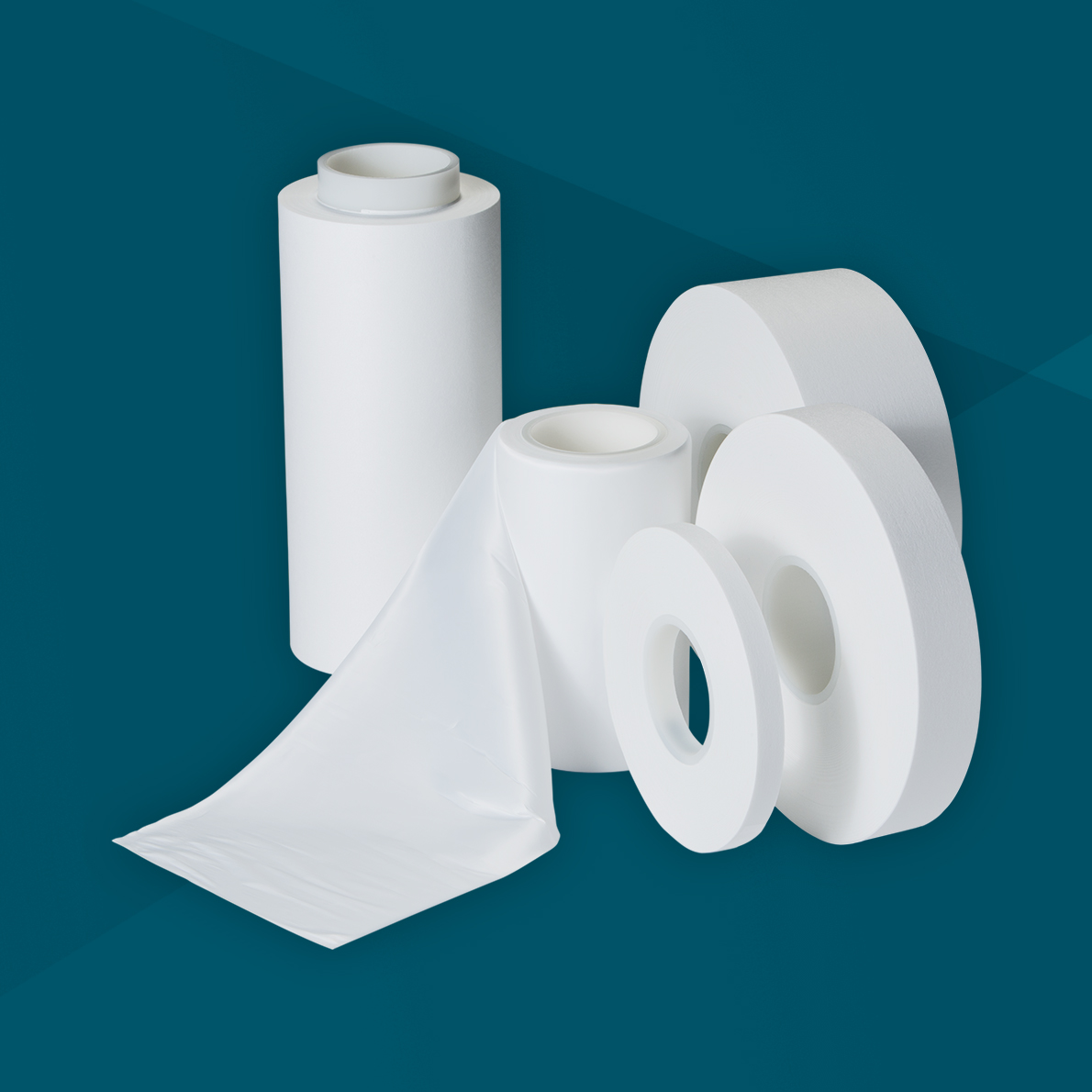
Built to Perform Across Life Science Venting Applications
A New Non-PFAS Option from Gore PharmBIO
With over 40 years as the leading materials science company providing solutions for the Life Science Venting industry, Gore PharmBIO has introduced a new expanded polyethylene (ePE) membrane family. The addition of another high-performance material further supports our customers' evolving needs with a non-PFAS option.
Gore's ePE membranes enable manufacturers to ensure rapid gas removal — even after fluid contact — while protecting patients and users from leakage and restricting aerosolized bacteria and virus entry.
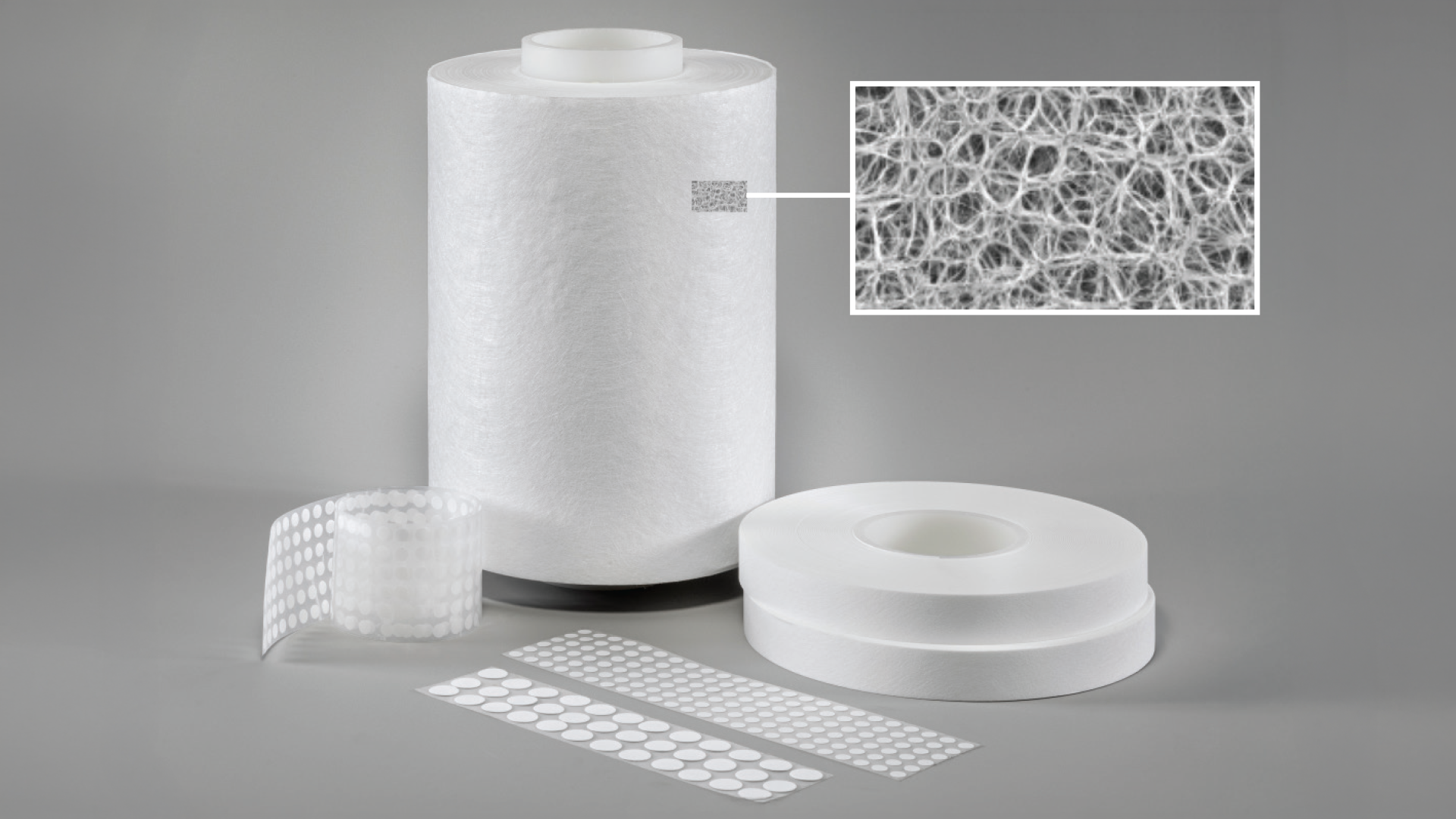
Why Choose Gore PharmBIO ePE Membranes

Customizable Performance
Tailor pore size, permeability, thickness, and tensile strength to match exact venting and filtration requirements.
Easy to Integrate
Can be laminated, die-cut with adhesive, or inserted into molded articles. Non-woven support available to facilitate handling.
Non-PFAS Material
UHMWPE-based ePE membranes give customers a non-PFAS option, with optional non-PFAS surface treatment to enhance liquid repellency.
Built on 40+ Years of Materials Science
40+ years of continuous improvement have resulted in exceptional membrane performance and consistency, backed by global technical and sales support.
Sterilization Compatible
Polyethylene resists breakdown when exposed to aggressive chemicals, ethylene oxide, and irradiation (e-beam and gamma) sterilization treatments.
High-Performance ePE Built for Demanding Applications
Gore's expanded polyethylene (ePE) membranes deliver consistent performance across a wide range of life science venting applications and meet anticipated regulatory requirements.
Historical use examples include drug delivery patches, syringe filters, ostomy bags, cosmetics & fragrances, respirators, air humidifiers, bioreactors, vent filters, clean space, blood plasma transfusion, and diagnostics.
Thin Membranes
| Series | Pore Size (µm) | Airflow1 (l/hr) | WEP2 bar (psi) | Thickness3 μm (mil) |
|---|---|---|---|---|
1100 | 0.1 | 11 | 5.0 (73) | 25 (1.0) |
1200 | 0.2 | 24 | 4.2 (61) | 30 (1.2) |
1300 | 0.4 | 44 | 2.7 (39) | 45 (1.8) |
Thick Membranes
| Series | Pore Size (µm) | Airflow1 (l/hr) | WEP2 bar (psi) | Thickness3 μm (mil) |
|---|---|---|---|---|
1210 | 0.2 | 7 | 5.0 (73) | 100 (3.9) |
1410 | 1.5 | 75 | 0.5 (7) | 125 (4.9) |
1810 | 5.0 | 376 | 0.2 (3) | 125 (4.9) |
- Nominal airflow measured at 2.99 cm² and 1.2 kPa differential pressure with ATEQ measurement system.
- Nominal Water Entry Pressure, point of instantaneous D.I. water intrusion.
- Nominal thickness of membrane only, measured mechanically.


FOR INDUSTRIAL USE ONLY
Not for use in food, drug, cosmetic or medical device manufacturing, processing, or packaging operations.