
Reduce ESD Risk in High-Density Semiconductor Manufacturing
What Drives Today’s Higher ESD Risk?
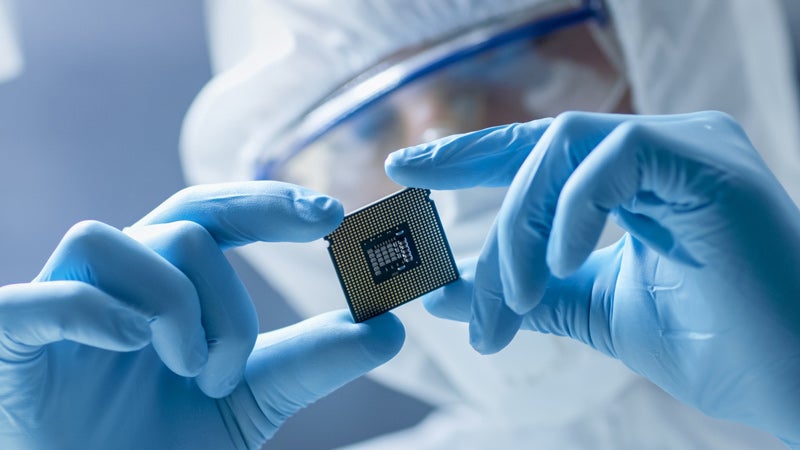
Rising demands for performance, miniaturization, and power efficiency are increasing the risk of ESD events in modern semiconductor designs. Main drivers are:
- Denser layouts: Tighter chiplet spacing increases cross‑chip ESD risk.
- Mixed materials: Different substrates react unpredictably to charge buildup.
- More I/O paths: Extra interconnects introduce more ESD entry points.
- Complex assembly: More handling steps raise exposure during bonding and testing.
- Lower tolerance: Smaller, low‑power chiplets are more vulnerable to even minor discharges.
As ESD risks continue to rise, manufacturers need a more reliable layer of protection. That’s where our new solution comes in.
Next-Generation ESD Protection
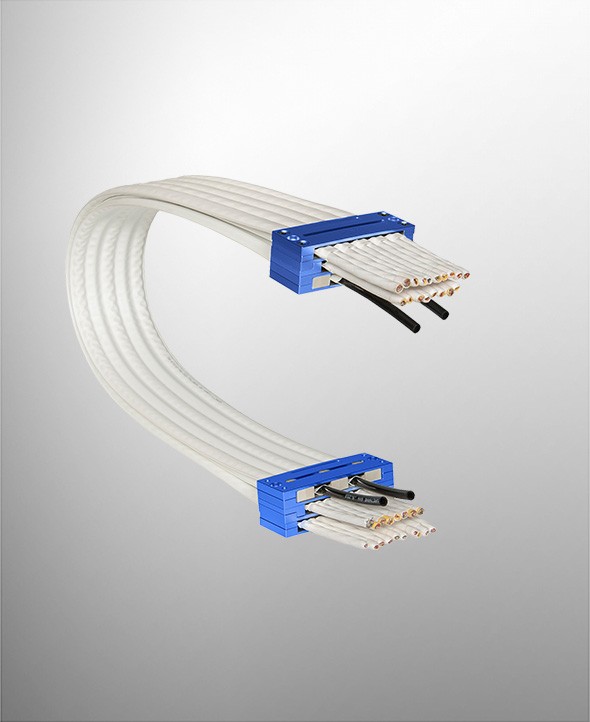
Gore introduces its latest innovation for the semiconductor industry: GORE® Anti-Static High Flex Cables improve reliability, increase throughput and reduce ownership costs.
They help prevent triboelectric charge and voltage buildup, providing stronger protection against ESD events. They minimize surface charge, uncontrolled particulation and potential discharges.
Why Use GORE Anti-Static Cables For ESD Protection?
In ESD-sensitive environments, GORE Anti-Static Cables:
- Prevent electrostatic buildup with non-carbon-based jacket
- Reduce ESD-related failures and product damage
- Increase reliability and throughput
- Do not require complex grounding systems or extra equipment
- Are easy to retrofit into existing lines
- Offer ISO Class 1 cleanliness up to 1 million flex cycles
Ready to Improve ESD Safety?
Contact Gore for a free consultation.


FOR INDUSTRIAL USE ONLY
Not for use in food, drug, cosmetic or medical device manufacturing, processing, or packaging operations.