
Insect Intrusion: An Overlooked Risk in Automotive Electronics Protection
Ants and micro-insects enter vented auto electronics in tropical markets, driving shorts and premature failure — a risk unaddressed by standard vent design.
Don’t wait for a field failure.
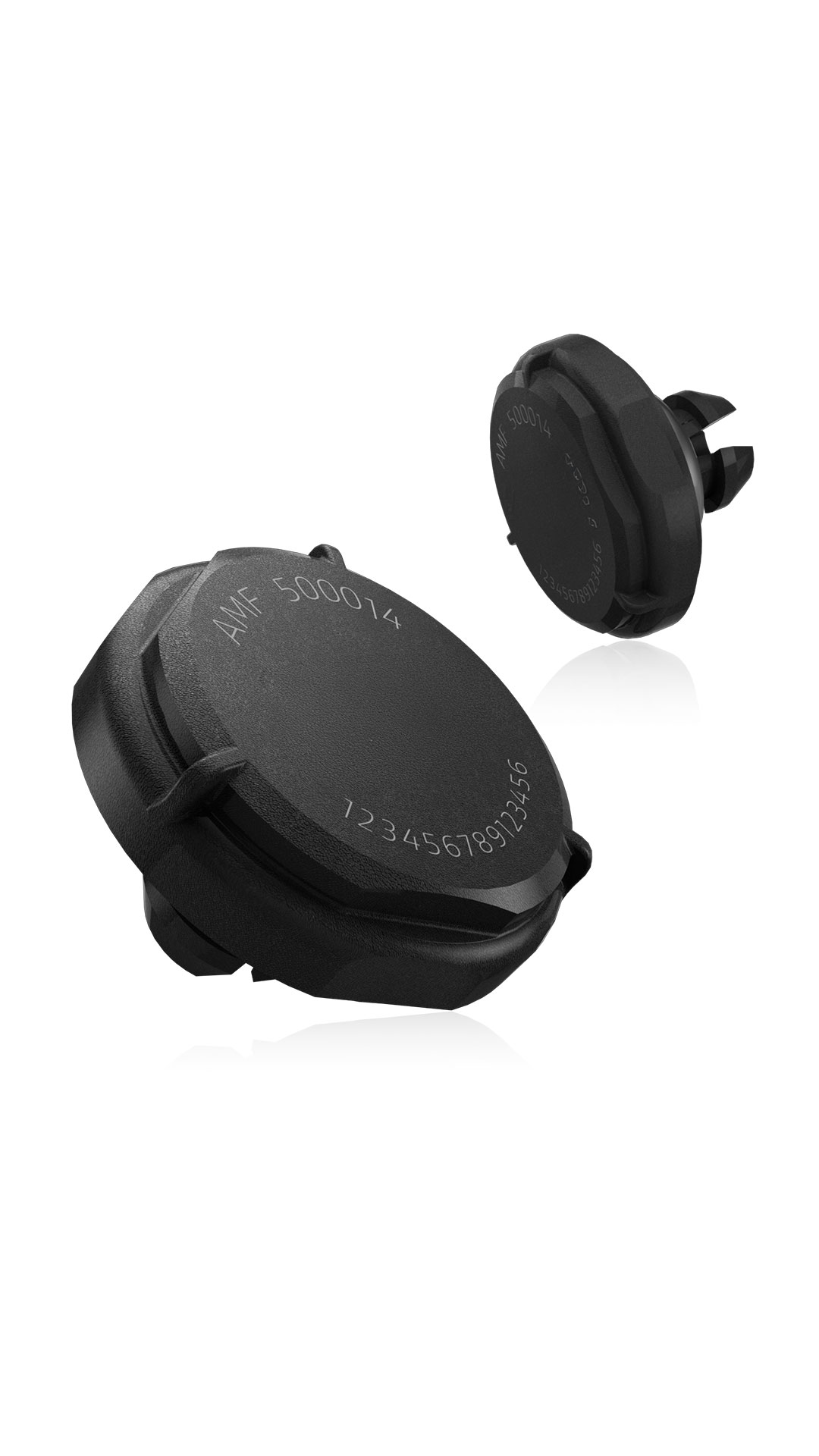
Insects Were Never Part of the Protection Specification. Until Now.
Standard automotive vents manage pressure equalization, moisture, dust and dirt well. But in high-humidity and tropical climates, micro-insect intrusion is a recurring field failure across critical components.
Ants and micro-insects breach ECUs, sensors and motors across ICE, HEV and BEV platforms, causing short circuits, corrupted signals and premature failures. It’s a blind spot absent from IP testing and DFMEA checklists. Not only is it costly to fix but it leads to warranty claims, field returns and negative impacts to brand reliability.
Retrofitted mesh, the current workaround, helps only after the failure occurs. But it restricts airflow and degrades over time. GORE® Automotive Vents Insect Guard Series prevents it by design, without compromise.
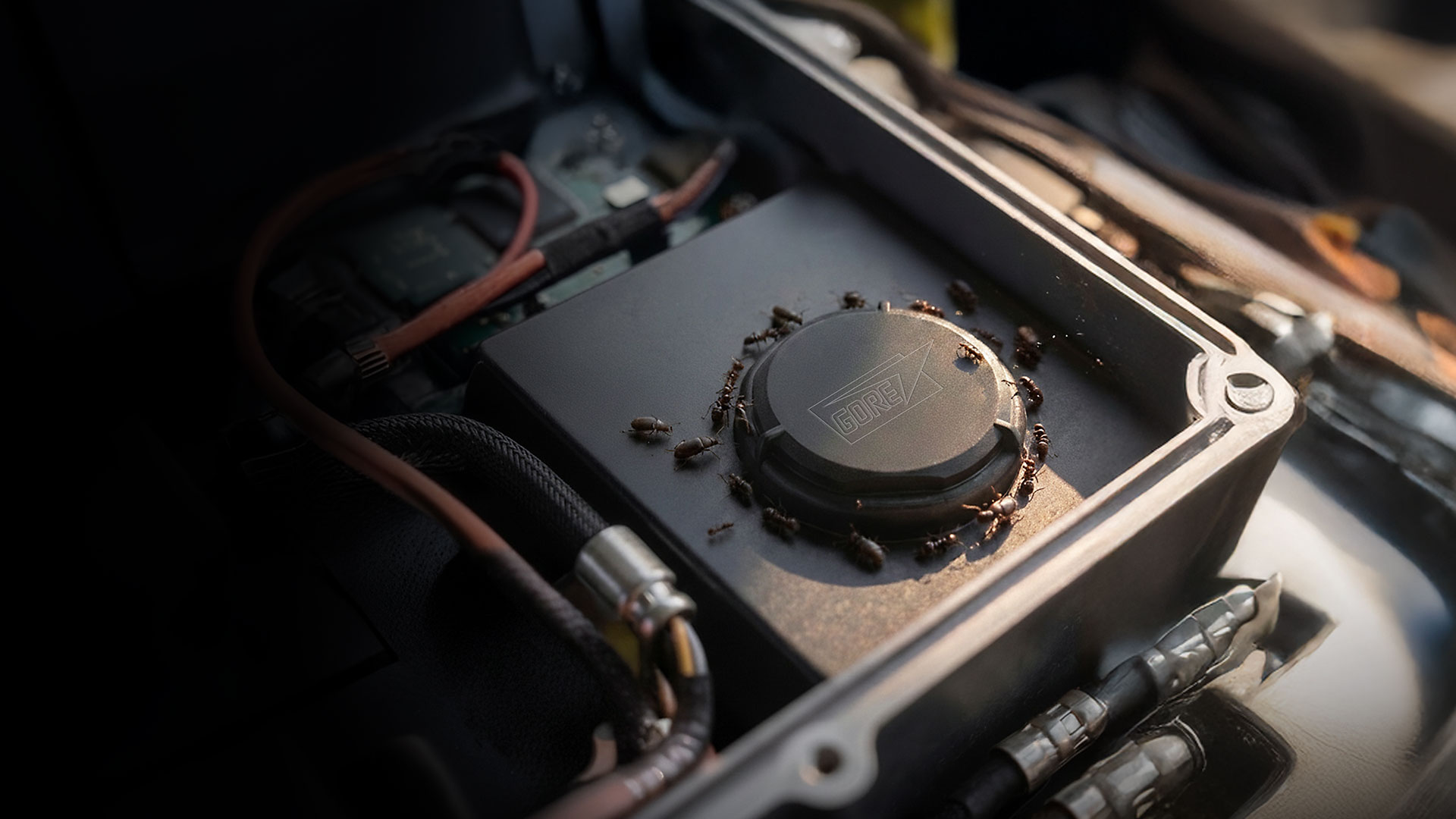
How Insects Get In
Micro-insects can enter automotive control modules through small openings designed for pressure equalization and environmental venting.
- Entry Path: Small venting or open pathways can create an access point.
- Why it Happens: Standard protection is designed for water, dust and dirt – not insect intrusion.
- Where Risk Increases? Exposure is highest in humid and tropical operating environments.
- What It Causes? Once inside, insects can contribute to short circuits, signal corruption and premature failure.
Is There a Validated Solution for Insect Intrusion in Automotive Electronics?
OEMs and Tiers have been documenting insect-related failures in automotive electronics for years, particularly in humid and tropical markets. The challenge has been finding a solution that helps block intrusion without adding tradeoffs in airflow, durability or integration.
GORE® Automotive Vents Insect Guard Series was developed to address that gap.
Compare Three Approaches to Insect-Intrusion Protection
Standard vents, mess add-ons and integrated vent designs each address pressure equalization differently. The comparison below highlights the tradeoffs in insect protection, airflow, integration and durability.
| Standard Vent | Metal Mesh Add-On | GORE Automotive Vents Insect Guard Series | |
|---|---|---|---|
Ingress Gap | ≧300μm | ≤300μm | ≤300μm |
Insect Protection | None | Partial | Fully Integrated |
Airflow Impact | Baseline Airflow | Restricted | Certified airflow (15–60 l/h) |
Design Simplicity | Snap-fit Integration | Additional Part and Assembly Gap | Snap-fit Integration |
Durability | IPX6K1, IPX9K1, −40°C to +125/150°C | May Degrade Over Time | IPX6K1, IPX9K1, −40°C to +125/150°C |
Cost Efficiency | Lower upfront cost | Higher TCO* over time | Balances Protection, Airflow and Integration |
*Total Cost of Ownership
Evaluate Protection Without Adding Tradeoffs

GORE Automotive Vents Insect Guard Series: the first and only snap-fit automotive vent designed for multi-threat environmental protection.
- Full insect, moisture and dust protection
- No airflow compromise
- No mesh workarounds
- Drop-in design integration
Validate in your application.
Request an Evaluation Sample.
FOR INDUSTRIAL USE ONLY
Not for use in food, drug, cosmetic or medical device manufacturing, processing, or packaging operations.